Electricity demand is entering a new phase. Artificial intelligence, cloud services and large data centres are adding concentrated loads that must operate around the clock. At the same time, electrification in industry, transport and buildings is increasing pressure on local distribution networks.
Power demand is accelerating
The International Energy Agency expects global electricity demand to grow by about 3.6% in 2026 and 3.8% in 2027. In the United States, data centres are expected to account for around half of electricity-demand growth through 2030. These changes are bringing transformer capacity, switchgear reliability and network flexibility back to the centre of project planning.
What changes for power-distribution equipment?
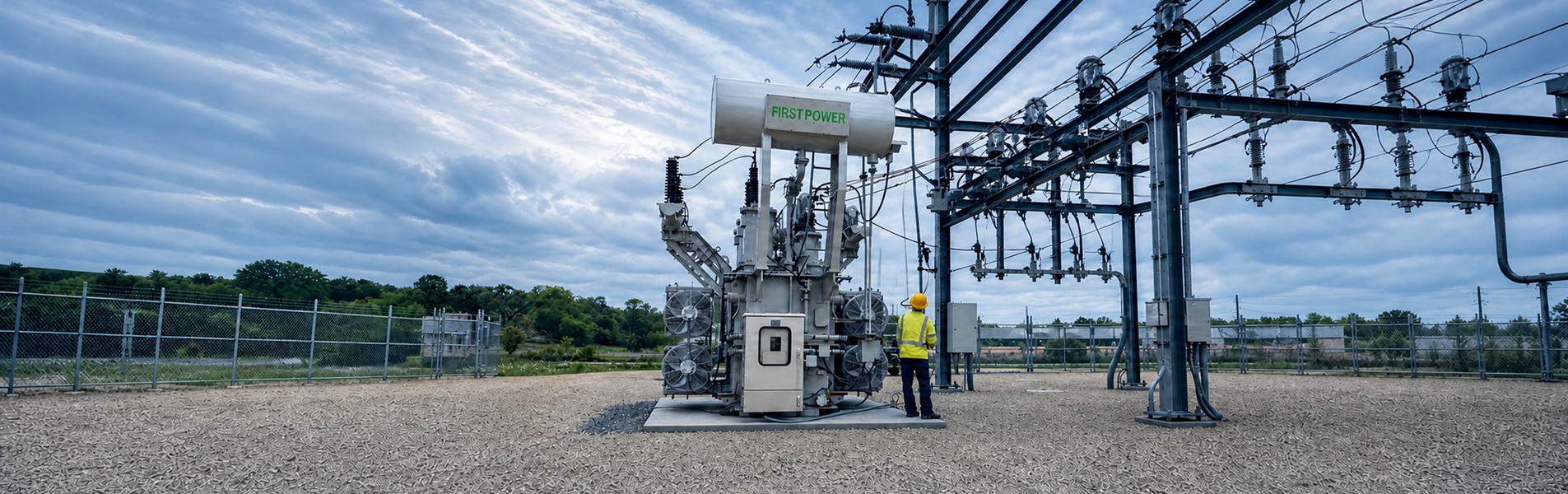
High-density digital facilities need stable voltage, dependable protection and equipment that can tolerate sustained loading. Transformer selection must therefore consider more than the nameplate rating. Load profile, ambient temperature, expected expansion and acceptable losses all affect the final specification.
Transformer capacity: allow practical thermal margin for continuous loads and future expansion.
Protection coordination: match medium-voltage switchgear, circuit breakers and relays to the system study.
Service continuity: use maintainable layouts and clearly defined isolation arrangements to reduce operational risk.
Planning for flexibility
Not every project requires the same transformer technology. Oil-immersed units remain a practical choice for many utility and outdoor applications, while dry-type transformers are often considered for indoor installations where fire performance, ventilation and maintenance access are important. Medium-voltage metal-clad or load-interrupter switchgear can then be selected according to voltage level, fault duty and operating requirements.
Early coordination between the load study, transformer specification and protection design helps avoid oversized equipment, insufficient capacity and late-stage changes. It also creates a clearer path for future renewable generation, battery storage or additional computing loads.
A procura global de eletricidade está a acelerar no período de 2026–2027. Descubra por que razão a eficiência dos transformadores, a capacidade da rede, a definição antecipada das especificações e o planeamento coordenado dos quadros elétricos são importantes para novos projetos de energia.
Utility-scale battery storage is expanding rapidly. The U.S. Energy Information Administration reported in August 2026 that operational battery storage capacity reached nearly 52 GW in the first half of the year after averaging 70% annual growth o...
A China Charging Alliance divulgou o estado de funcionamento da infraestrutura nacional de carregamento e reabastecimento de veículos elétricos em abril de 2023. Em abril de 2023, havia mais 67 000 pontos de carregamento públicos do que em março, com um aumento, em relação ao mesmo período do ano anterior...
Microgrids are gaining attention as utilities, communities and industrial sites look for ways to maintain critical services during wider grid disturbances. A June 2026 U.S. Department of Energy article highlights how microgrids can reduce expected...
 Categorias em destaque











Enviar um pedido de informação sobre o produto
Entraremos em contacto consigo no prazo de 24 horas